Madagascar
The eighth continent
Madagascar is unlike anywhere else on Earth. Separated from mainland Africa 165 million years ago, the island evolved in near-total isolation, producing a wildlife portfolio so extraordinary that 90% of its species are found nowhere else on the planet.
All Madagascar ToursAbout Madagascar
Madagascar is unlike anywhere else on Earth. Separated from mainland Africa 165 million years ago, the island evolved in near-total isolation, producing a wildlife portfolio so extraordinary that 90% of its species are found nowhere else on the planet. Lemurs, chameleons, fossas, and thousands of endemic plant species inhabit habitats ranging from spiny desert to cloud forest. The Avenue of the Baobabs is one of Africa's most haunting natural spectacles. The coral reefs of Nosy Be and the surrounding islands rival the Maldives. Madagascar remains one of the world's last truly undiscovered long-haul destinations, and Saringi Tours is proud to offer carefully curated itineraries that combine wildlife trekking, cultural encounters, and pristine Indian Ocean beaches.
Parks & Regions
Avenue of the Baobabs & the West
Madagascar
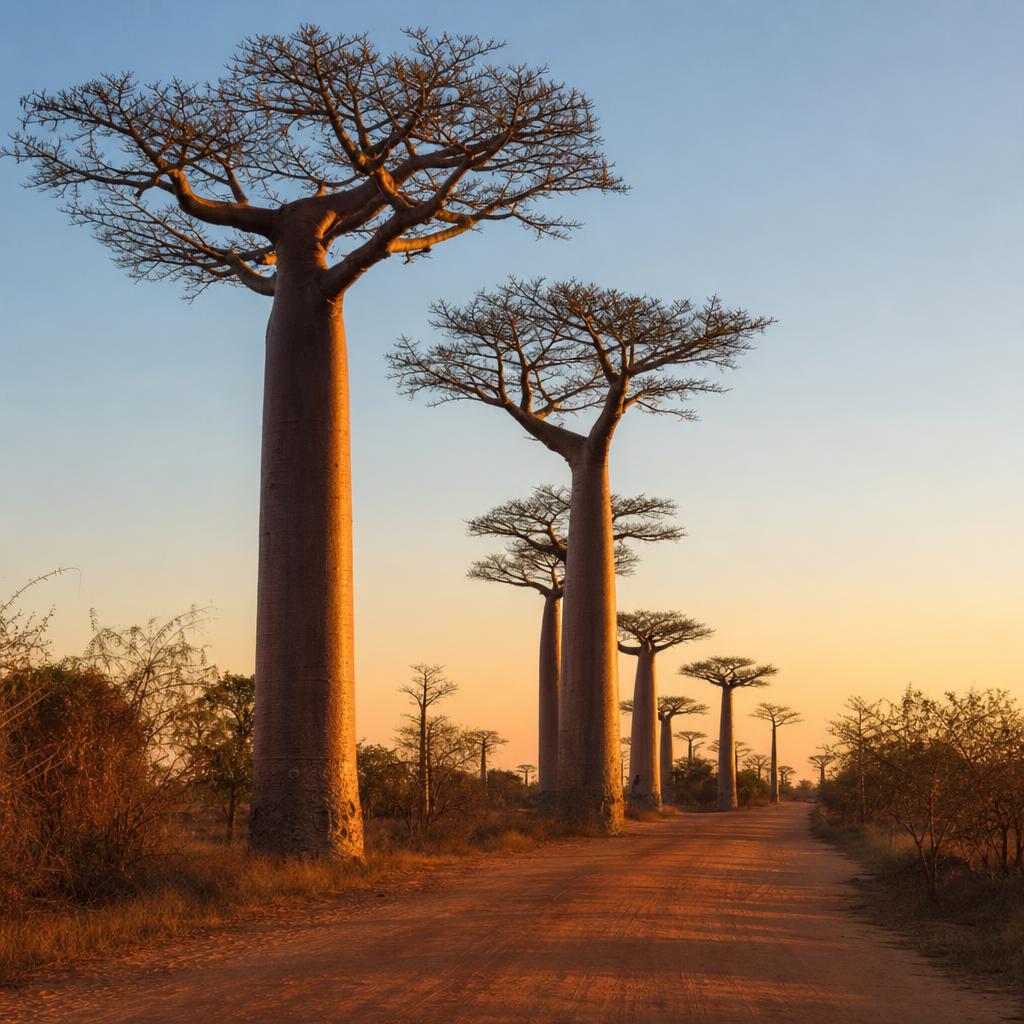
The Avenue of the Baobabs near Morondava on Madagascar's west coast is one of the most photographed landscapes in Africa: a dirt road flanked by towering baobab trees, some over 800 years old, their massive trunks and bare branches silhouetted against extraordinary orange and purple sunsets. The surrounding region of western Madagascar supports a completely different ecosystem to the eastern rainforests, with dry deciduous forest, dry spiny forest, and the extraordinary Tsingy de Bemaraha, a UNESCO World Heritage Site where cathedral-like limestone needles rise from the forest floor and support endemic lemurs, chameleons, and birds found nowhere else. Western Madagascar is one of the world's most visually dramatic and ecologically unique landscapes.
Ranomafana & Eastern Rainforests
Madagascar
Ranomafana National Park in the eastern highlands of Madagascar is a world-class wildlife destination within a rainforest of astonishing biological richness. The park was established specifically to protect the golden bamboo lemur, discovered here in 1986, and is home to 12 lemur species, chameleons in extraordinary variety (Madagascar has two-thirds of the world's chameleon species), frogs, and an endemic bird community of over 100 species. Night walks reveal nocturnal lemurs, mouse lemurs, and the improbably beautiful leaf-tailed gecko. Andasibe-Mantadia National Park, closer to Antananarivo, offers the haunting calls of the Indri (the world's largest lemur) echoing through mist-draped forest at dawn.
Nosy Be & the Island Paradise
Madagascar
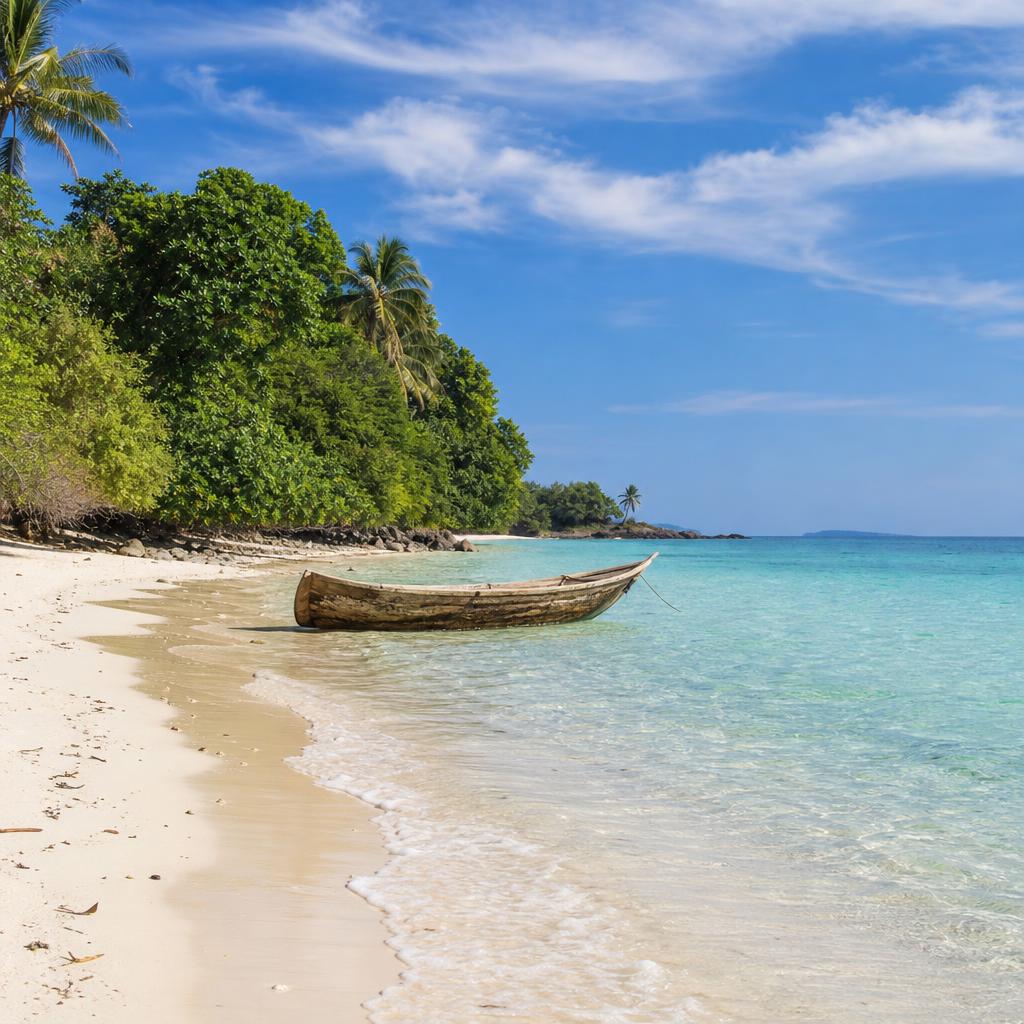
Nosy Be, off Madagascar's north-west coast, is the country's premier beach destination: a lush volcanic island of ylang-ylang plantations, spice farms, and bays of extraordinary turquoise water fringed by white sand and coral reef. Diving and snorkelling around Nosy Be and its satellite islands, particularly Nosy Tanikely Marine Reserve, reveals whale sharks, manta rays, sea turtles, and spectacular coral. From July to September, humpback whales breed in the warm waters of the Sainte Marie (Nosy Boraha) channel on Madagascar's east coast, offering some of the Indian Ocean's most extraordinary whale watching. Madagascar's islands offer a beach experience far more raw, authentic, and ecologically extraordinary than the Maldives or Seychelles, and at a fraction of the cost.
Featured Madagascar Safaris
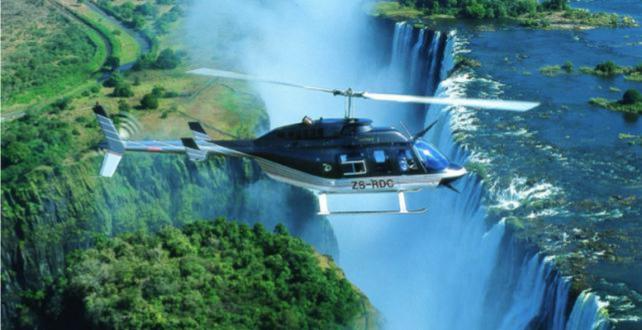
16 Day Botswana, Victoria Falls & Madagascar Experience
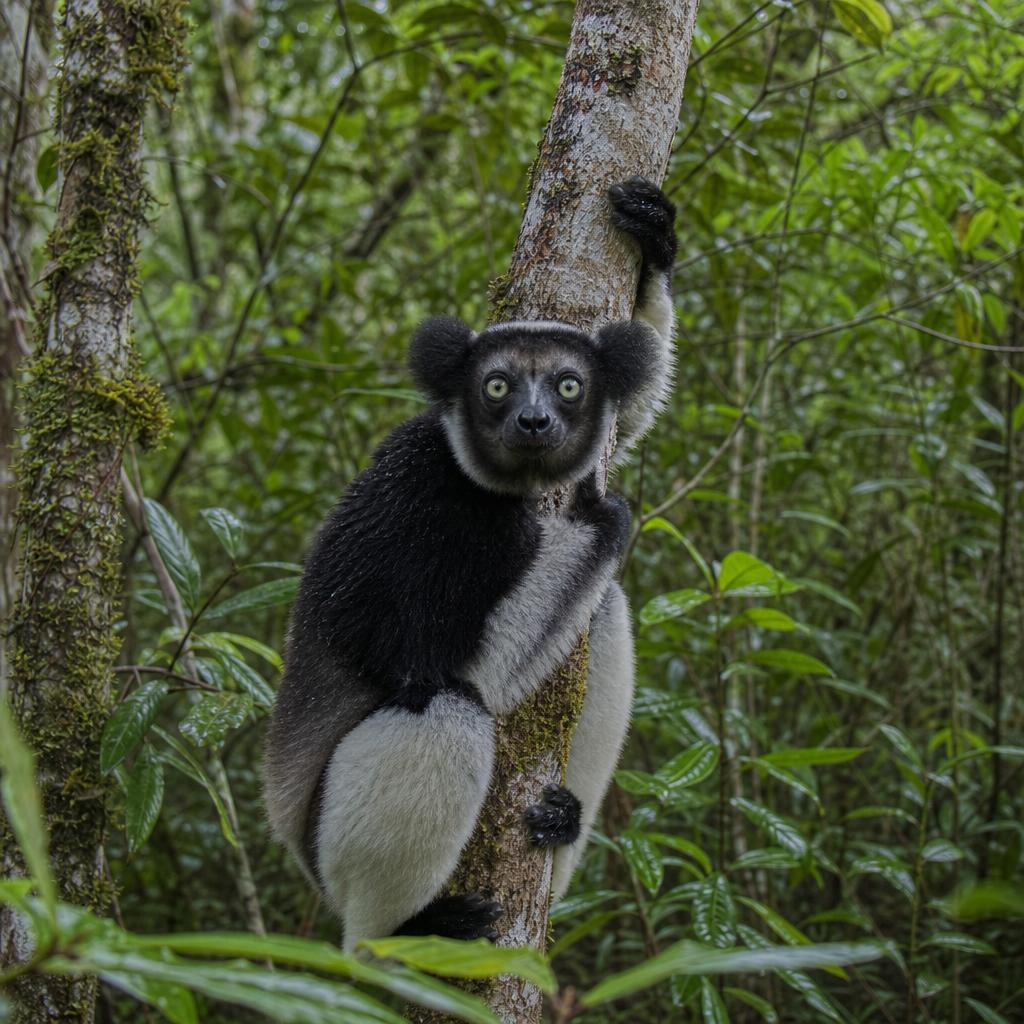
10-Day Madagascar Lemur Safari
12-Day Madagascar Grand Tour: Lemurs, Baobabs & Nosy Be
8-Day Western Madagascar: Baobabs, Tsingy & Morondava
Parks & Regions
Lodges & Camps
Browse our hand-picked collection of lodges, tented camps, and beach properties in Madagascar.
View Madagascar lodgesPlan Your Madagascar Safari
Our travel specialists build every trip from scratch, tailored to your dates, budget, and the wildlife moments that matter most to you.
Get a Quote