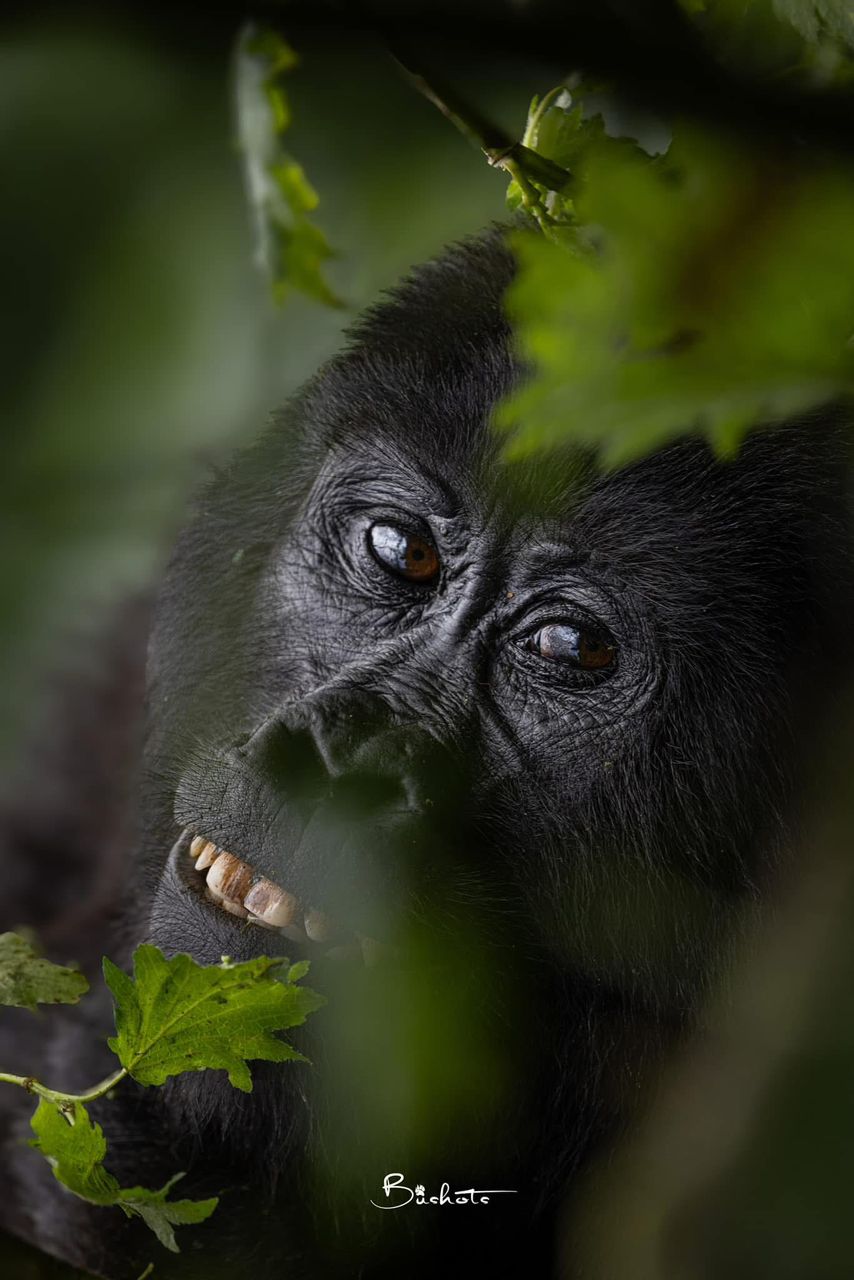
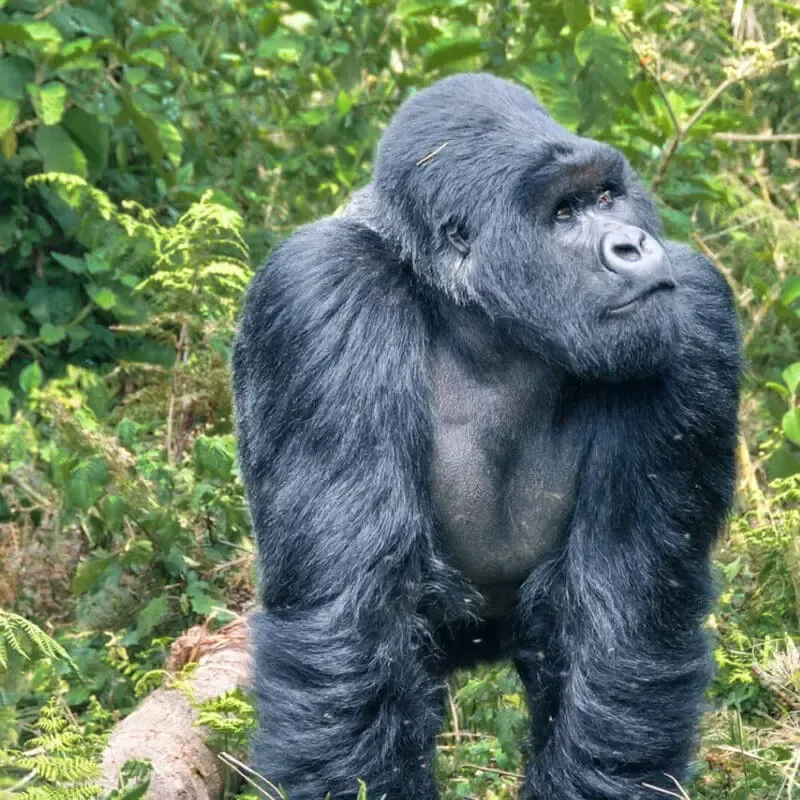
A dry morning in Bwindi can turn into a wet afternoon. That is part of travelling in a rainforest, not a reason to put off the trip. June to September and December to February are generally drier, but you can visit Uganda's mountain gorillas throughout the year.
Which Months Are Best for Gorilla Trekking in Uganda?
Choose June to September or December to February if you would prefer a generally drier trekking window. Less rain can mean less slippery paths and easier road access, which helps on a first visit. It does not change which gorillas you can see: Uganda's gorilla parks welcome trekkers year-round.
Bwindi has steep, forested terrain, and Mgahinga has volcanic slopes. Both can be cool and wet in any season. How far you walk depends on the gorilla family's location and the route your ranger takes. Good footwear and an honest conversation about fitness will serve you better than expecting a dry-season trek to be an easy stroll.
June to September: Plan Ahead for the Drier Season
These months are popular for good reason: rainfall is often lower than in the main wet seasons, and the dates fit neatly into many longer East African holidays. If you have your heart set on particular travel days, check permits early. Lodges close to the right trekking area can also be in demand.
The detail to get right is your Bwindi sector. The park has several starting areas, and a lodge on the wrong side of the forest can mean a long journey before the briefing. Confirm the permit and sector first, then choose accommodation nearby. A lovely room is less appealing if reaching your trek means a very early drive.
December to February: Gorillas on a Winter Getaway
December to February is another generally drier window, making it an appealing choice for a winter escape. Christmas and New Year need extra forward planning because permits and lodges can be busy. Take a waterproof jacket even if the morning looks clear; rainforest weather can change while you are on the trail.
This is also a good time to think about a longer Uganda route with chimpanzee tracking or savanna wildlife. Give the transfers proper space in the itinerary. Western Uganda can look compact on a map, but winding roads and stops take time. You will enjoy the journey more if every arrival day is not followed by another hurried departure.
The Wetter Months: Green Forests and Muddy Boots
March to May and October to November commonly bring more rain. Expect lush vegetation, slippery paths and a greater chance of getting wet. Some lodges offer lower rates, so these months can be worth considering if your dates are flexible. Check permit costs separately; a room offer does not necessarily include a permit discount.
If you enjoy green landscapes and can accept slower travel, the wetter season may suit you. Leave spare time for transfers and ask about access to your lodge. Bring protection for your camera or phone, and let the ranger set the pace. Choose these months for the trip they offer, rather than assuming the forest will be empty.
What to Pack in Every Season
Start with boots you have already worn, not a new pair unboxed the night before. Add long trousers, a long-sleeved top, a light waterproof jacket and a dry bag for electronics. Gloves can help when you need to hold vegetation on a slope. Ask what water and food to carry, and keep the bag manageable.
Consider hiring a porter even if you normally carry your own day bag. Help with the load can make a demanding walk more comfortable, and the work supports local employment. Confirm current charges and tipping guidance before the trek. Discuss health or mobility concerns in advance, and tell the ranger if you begin to struggle.
Stay for More Than the Gorilla Trek
A gorilla encounter may be the reason you come to Uganda, but it does not have to be the whole holiday. Queen Elizabeth National Park adds savanna wildlife and boat excursions. Kibale offers chimpanzee tracking and a different forest experience. Allow enough nights to enjoy each stop rather than simply collecting park names.
Our Bwindi, Queen Elizabeth and Kibale guides will help you choose what to combine. Tell us your dates, how much walking you are comfortable with and whether gorillas are your main priority. We can then build the route around permit availability, with sensible transfer days and a lodge near the correct briefing point.
Insider TipFor gorilla trekking, confirm your permit sector first and your lodge second. The right month cannot fix a stay that is far from your allocated briefing point.
Ready to Make It Real?
Our travel specialists will design a tailor-made itinerary around your exact dates and interests, at no obligation.
Get a Free Quote